
Through hours of research, videos, and reading about Hawaii, you’ve probably come across many local terms. Some are easy to grasp—like island hopping—while others, such as “aloha,” “leeward,” and “windward,” might take a bit more context to fully understand. For residents, these words are second nature, but for visitors, they can be confusing at first.
In Hawaii, “windward” and “leeward” are used daily to describe different sides of each island, though their meanings go beyond geography. Let’s take a closer look.
When you hear “Windward Oahu,” it refers to the side of the island that faces the trade winds—meaning the east coast. The Windward Coast of Oahu includes scenic towns like Kailua and Kaneohe, and stunning beaches such as Waimanalo Beach. This lush area is easily admired from the Nu’uanu Pali Lookout, where strong trade winds and frequent rainfall help create a vibrant, tropical landscape.
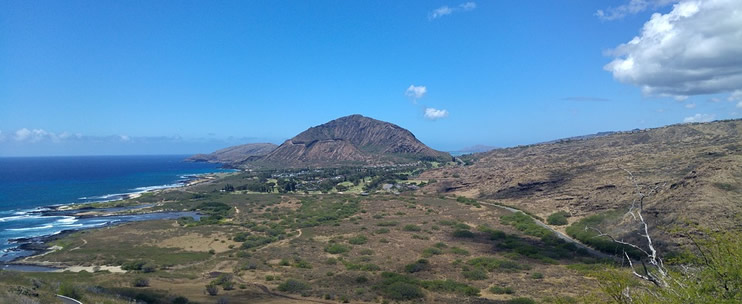
On the opposite side lies Oahu’s Leeward Coast, which faces away from the prevailing winds. This area includes the Waianae Coast and Ko Olina, home to beautiful resorts and golden-sand beaches. It’s known for being drier and more arid, offering a completely different feel than the Windward side, with wide open coastlines and small local towns scattered along the way.
Exploring both the Leeward and Windward coasts gives visitors a true sense of Oahu’s natural diversity—from its green, rain-soaked valleys to its warm, sunny shores. For a broader look at the island, compare Oahu sightseeing tours that visit scenic areas around the island. You can also end your day with a cultural evening by comparing Oahu luaus in different locations and settings.
Due to the high volume of visitors traveling to Hawaii year-round, popular Oahu tours and activities can sell out quickly. If sightseeing or a luau is an important part of your trip, reserving early can give you a better choice of dates and times.